This is not a polished brochure. It is a distillation of hundreds of real conversations from UK building forums, Trustpilot reviews, and Facebook groups where homeowners talked openly about what went wrong, what cost more than expected, and what they wish someone had told them before the plasterer showed up.
If you are planning dry lining, plastering, partitioning, or ceiling work in Lincoln or anywhere in Lincolnshire, these five lessons come from people who have lived through the consequences of getting it wrong.
1. A "Good Recommendation" Is Not a Guarantee
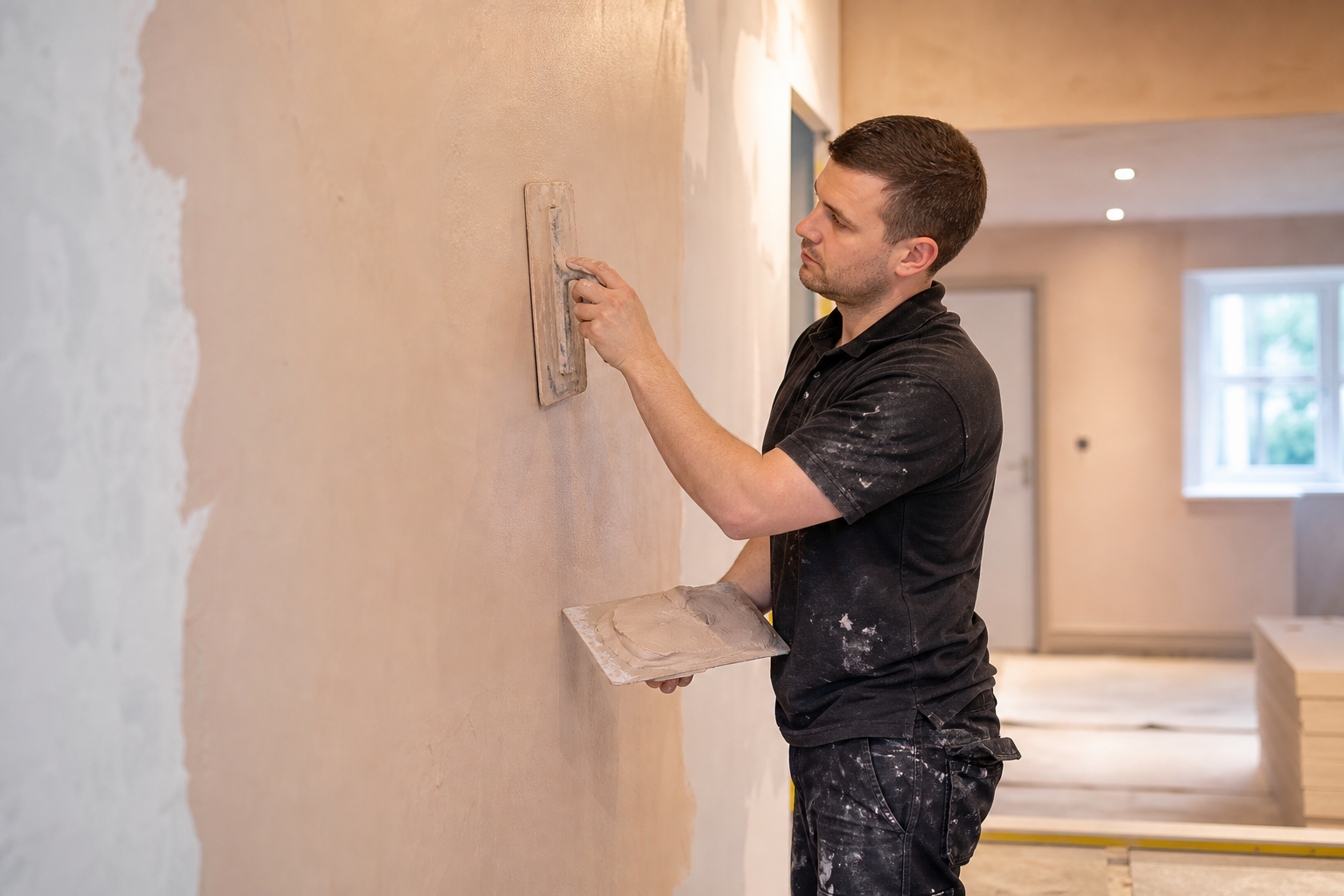
A homeowner in Yorkshire shared their story on DIYnot: they hired a "locally recommended crew of plasterers" who came in and, in their own words, "destroyed the lot". The walls were concave, convex, full of lumps and holes. Plug sockets were plastered around instead of being removed. The finish was so poor it all had to be ripped out.
Another homeowner in the Midlands told Trustpilot they chose their contractor because they were "locally recommended" and came with "great reviews". The result? Walls that bowed visibly, corners that were not square, and a ceiling that looked like a "contoured landscape" rather than a flat surface.
Ask for three references from the last six months. Call at least one. Ask specifically about cleanliness, punctuality, and whether the contractor came back to fix snags. A good contractor does not flinch at this request.
2. "Do Not Pay Anyone Up Front" Is the Most Repeated Advice on Every Forum
On DIYnot, a thread about avoiding cowboy plasterers has one piece of advice repeated more than any other: "Do not pay anyone up front". The pattern is depressingly consistent across forums: contractor takes a deposit, does half a job, then disappears. Homeowners are left chasing, threatening legal action, and lying awake at night.
One homeowner described taking the morning off work to "confront them and chuck them off the job". They were worried it might "turn nasty". This is the reality of dealing with a contractor who has already taken your money and stopped caring.
Find a contractor who works on staged payments. A fair structure is zero deposit, then payments tied to visible milestones: prep complete, first fix complete, final sign-off. If a contractor insists on money before stepping on site, that is a red flag, not a standard practice.
3. The Finish Matters More Than the Speed
In the rush to get a job done, speed often wins over quality. A plasterer shared their own nightmare on the Plasterers Forum: a job they rushed because the client wanted it finished before the weekend. By Monday, the plaster had "crazed and bubbled". It was their first callback and it devastated their confidence.
Another homeowner described a ceiling that looked "like a contour map of the Lake District" because the plasterer had not bothered to check the surface before applying the finish. Filler and sanding are not part of a good plasterer's handover. They are what you do when the job is substandard.
Ask your contractor what tolerance they work to. For domestic work, walls should be within +/- 3 mm over a 2-metre straight edge. Corners should be checked with a carpenter's square, not eyeballed. If they cannot tell you their tolerance, they do not measure. If they do not measure, they do not control quality.
4. Materials Are Not All the Same (and Cheap Board Will Cost You Later)
A recurrent theme across forums is contractors using unnamed, mystery materials. One homeowner discovered their contractor had used a "mystery fire-resistant plaster" with no spec sheet, no manufacturer name, and no certification. It bubbled and blew within hours. When they asked what it was, the contractor shrugged.
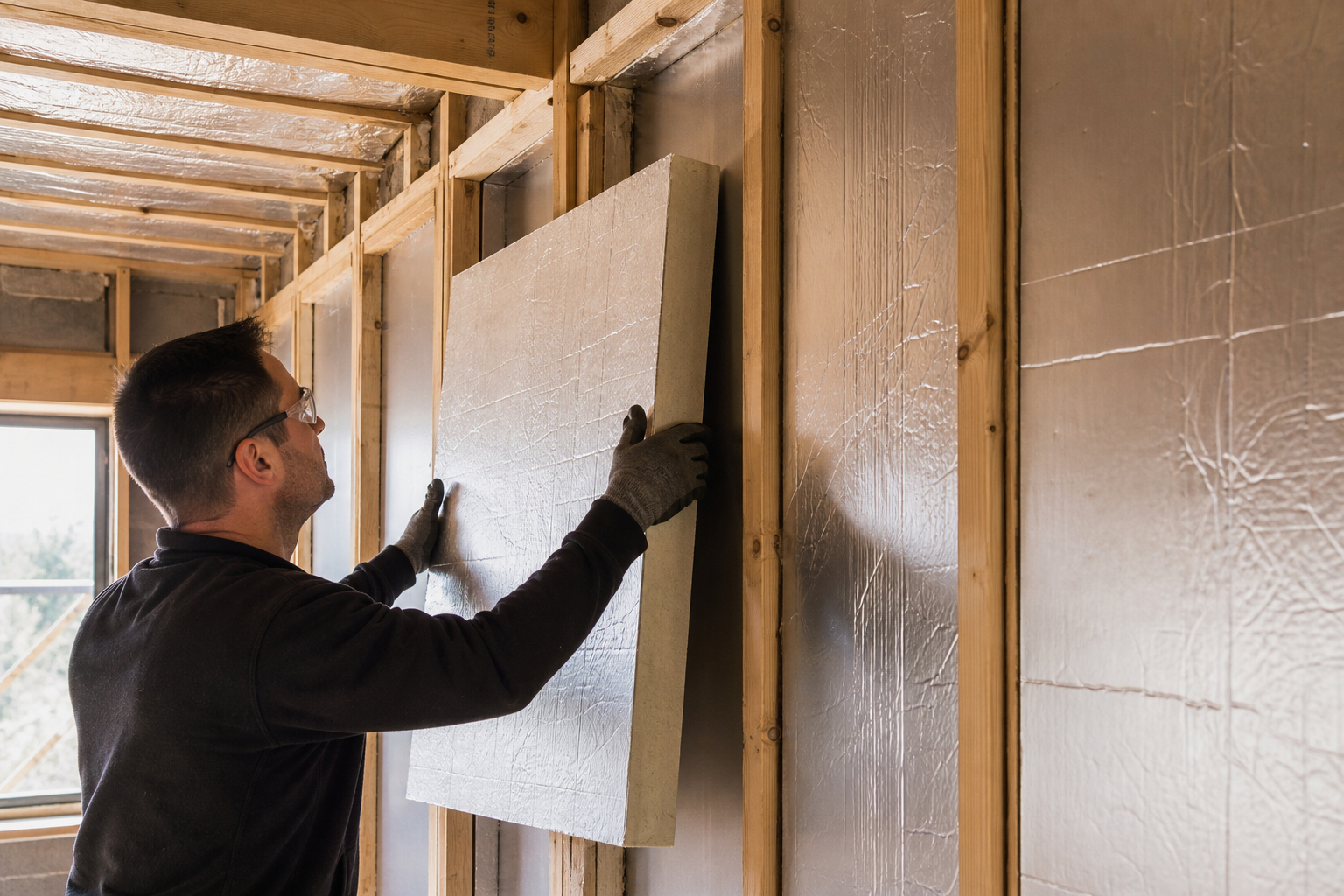
Cheap plasterboard from builders' merchants' budget lines often has lower density, poorer edge integrity, and inconsistent dimensions. It cuts poorly, screws strip, and joints crack. A few pounds saved on materials can turn into hundreds in labour trying to make it look acceptable.
Ask for a written specification. It should name the board manufacturer (British Gypsum, Knauf, Siniat), the thickness, the type (standard, moisture-resistant, fire-rated, acoustic), and the jointing method. A contractor who knows their trade can provide this in two minutes. One who cannot is guessing.
5. Communication Breakdown Destroys More Jobs Than Poor Skill
The most devastating stories are not about incompetence. They are about silence. Contractors who stop answering calls. Who vanish for weeks. Who promise to come back to fix a defect and never do. The psychological toll is enormous. Homeowners describe being "awake all night fretting" over how much time and money it will cost to put right.
One review on Trustpilot described the experience as "stressful, expensive, and emotionally draining". The plastering itself was not even the worst part. It was the helplessness of chasing someone who had stopped responding.
Before you hire, send a text or email with a simple question. Time how long the response takes. A contractor who replies within a few hours on a weekday is likely to stay communicative during the job. One who takes days or ignores you completely will do the same when problems arise.
What We Do Differently at Drylining Lincoln
We are not interested in being the cheapest quote. We are interested in being the one you would recommend to your neighbour without hesitation.
That means:
- No money required before we start work. We bill in stages, and the final payment is only due after you sign off the finish.
- Every specification is written down, not scribbled on the back of a card.
- We check our work with a straight edge and a square, not a glance.
- If something is not right, we come back. No arguments, no delays.
- We are CSCS registered, insured, and our workmanship is guaranteed for ten years.
If you are planning dry lining, plastering, partitioning, or ceiling work in Lincoln or anywhere in Lincolnshire, get a free, no-obligation quote. We will look at the job, tell you exactly what is involved, and give you a written breakdown before you commit to anything.